
Oliver Goldsmith
Eyewear that defined an era — and still leads it100 years of making spectacles unforgettable
Born in London in 1926, Oliver Goldsmith turned eyewear into fashion — and the world noticed. Their bold, sculptural frames became the signature look of icons like Audrey Hepburn, Michael Caine, Peter Sellers, and Nina Simone, cementing OG as the eyewear house of film, fashion, and cultural style. A century later, those designs remain as unmistakable — and unforgettable — as the legends who wore them.


Iconic style, worn by women who define it
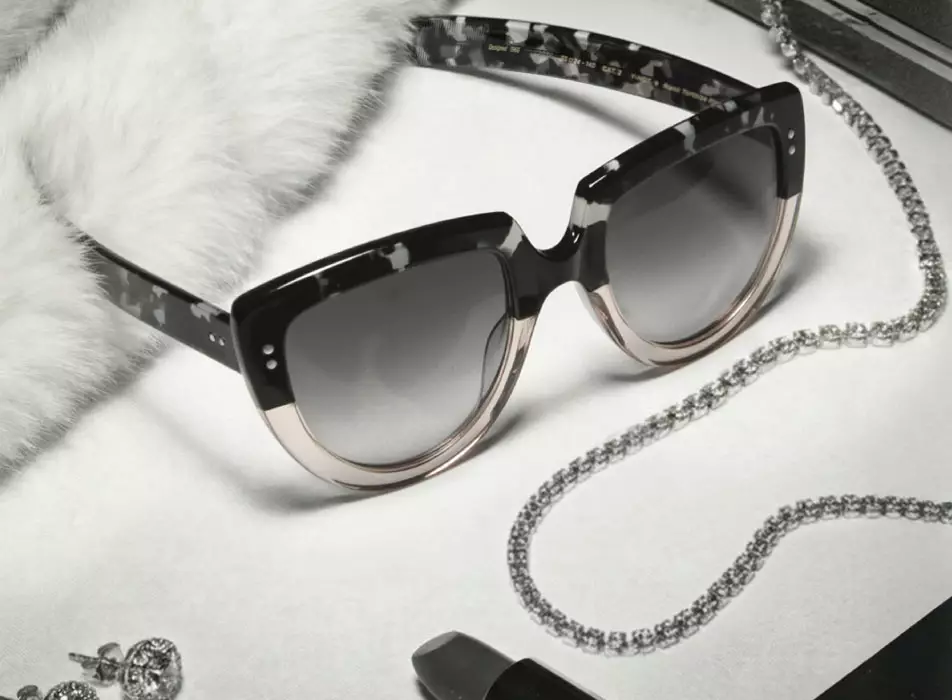
For nearly a century, Oliver Goldsmith has defined women’s sunglass style with silhouettes that blend confidence, glamour, and unmistakable British elegance. OG’s iconic designs — from sculptural oversized frames to refined cat‑eye contours — were created to empower the wearer, not just accessorise her.
Every pair carries the brand’s ethos of bold simplicity: shapes that flatter, colours that elevate, and craftsmanship that feels as good as it looks. Worn by legends like Audrey Hepburn and Grace Kelly, OG sunglasses continue to offer women a timeless way to express individuality, sophistication, and effortless style.
Where Iconic Design Meets Urban Confidence
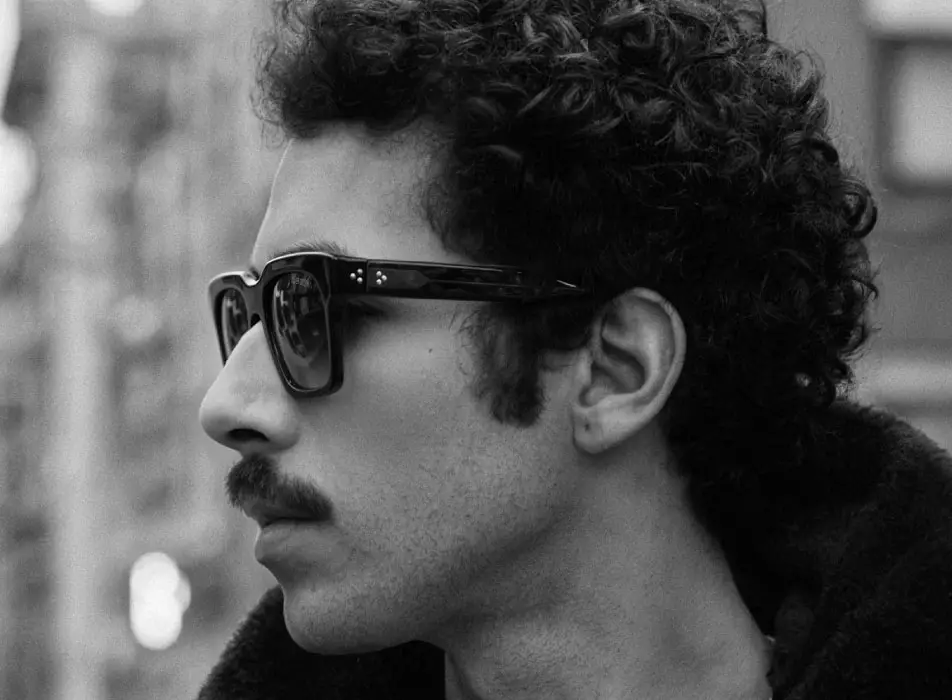
Oliver Goldsmith has long defined men’s sunglass style with frames that balance strength, precision, and unmistakable character — and Winston is the perfect example. Its clean lines and sculptural acetate echo the brand’s mid‑century design heritage, while its bold presence feels right at home against the energy and architecture of New York.
The ethos is simple: create eyewear that elevates the man who wears it. Winston does exactly that — refined, confident, and built for those who appreciate timeless design with modern attitude.
Design & Craftsmanship
Bold, sculptural silhouettes that defined mid‑century style.
Rich, premium acetates cut and polished for depth and durability.
Signature detailing — the iconic three‑dot hinge and confident lines.
Hand‑finished craftsmanship rooted in traditional techniques.
Small‑batch production to preserve quality, precision, and authenticity.
A story of heritage and celebrity patronage
Oliver Goldsmith’s story begins in London in 1926, when Philip Oliver Goldsmith transformed eyewear from a medical necessity into a fashion statement — a shift that would define the next century of style.
By the 1950s and 60s, under the creative direction of his son Charles “Oliver” Goldsmith, the brand became a cultural force, crafting bold tortoiseshell frames, brightly coloured plastics, and avant‑garde silhouettes that captured global attention.
Their designs were worn by some of the most iconic figures of the 20th century: Audrey Hepburn, whose Breakfast at Tiffany’s “Manhattan” sunglasses became a cinematic legend; Grace Kelly, Michael Caine, Peter Sellers, Nina Simone, Diana Dors, Lord Snowdon, and even Diana, Princess of Wales.
Couture houses like Dior and Givenchy commissioned Goldsmith to create frames for their runway collections, cementing the brand’s status as the eyewear of fashion, film, and royalty. Today,
Oliver Goldsmith remains one of Britain’s most storied eyewear houses — a brand whose heritage is inseparable from the icons who wore it.
100 Years of Oliver Goldsmith
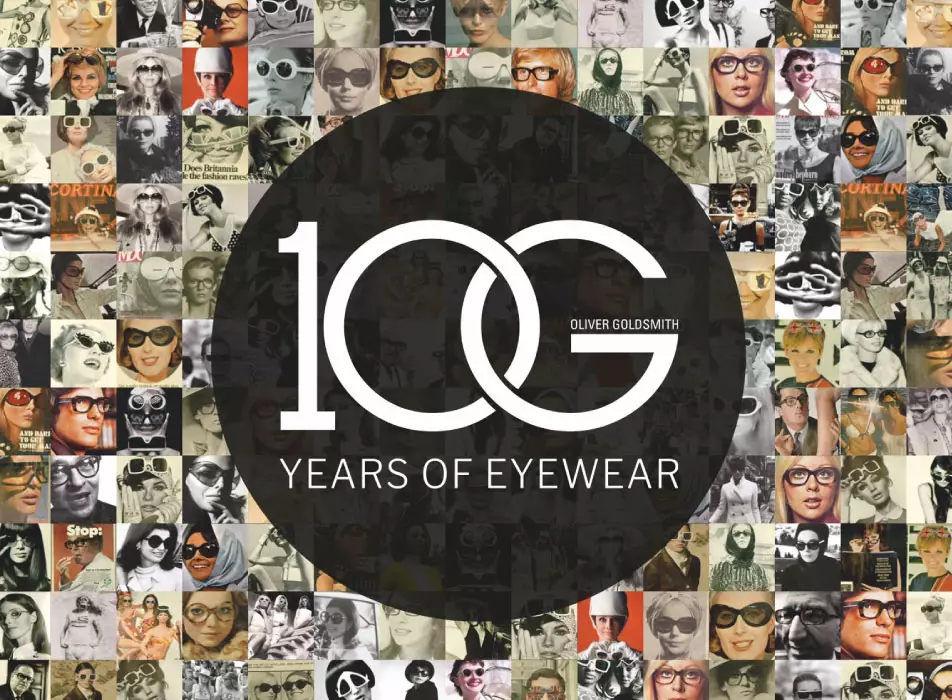
A century of style, shaped by vision.
In 1926, Oliver Goldsmith began a quiet revolution in a small London workshop — turning spectacles from medical devices into objects of desire. Over the next hundred years, the brand’s bold silhouettes and sculptural acetates would define the look of cultural icons, from Audrey Hepburn’s unforgettable Manhattan sunglasses to the frames worn by Michael Caine, Peter Sellers, Nina Simone, and the couture houses of Dior and Givenchy.
This centenary year celebrates that legacy: a hundred years of craftsmanship, creativity, and fearless design. Archival exhibitions, limited‑edition releases, and heritage showcases honour the frames that shaped fashion, film, and modern identity. As Oliver Goldsmith enters its second century, the spirit remains unchanged — eyewear that doesn’t just complement style, but creates it.
Oliver Goldsmith
Heritage you can wear. Confidence you can feel.